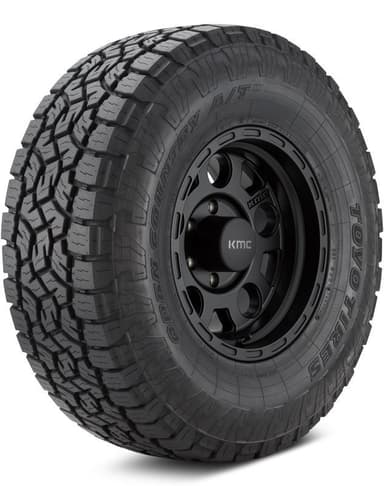
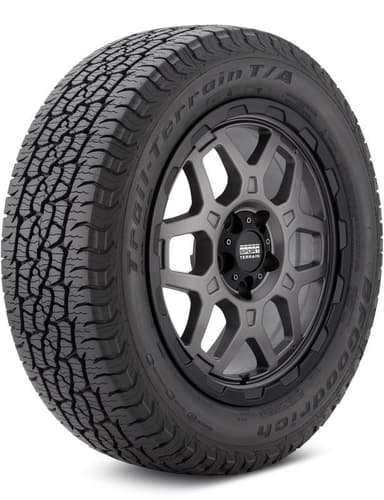
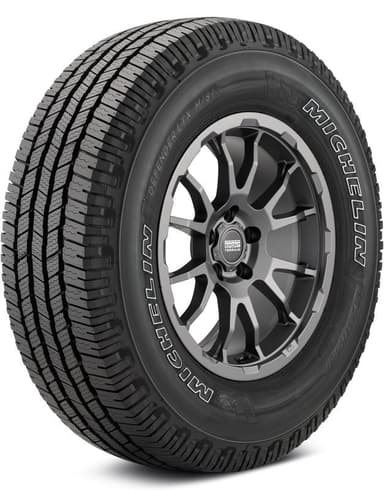
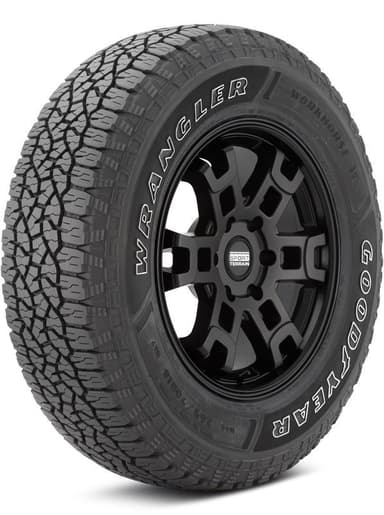
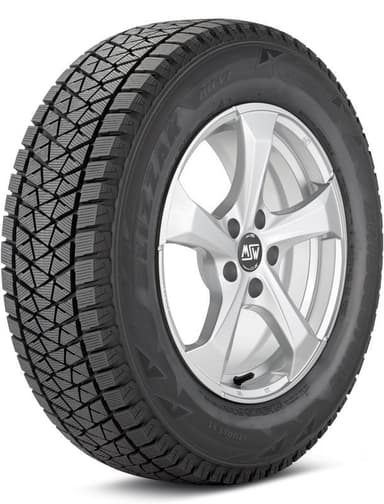
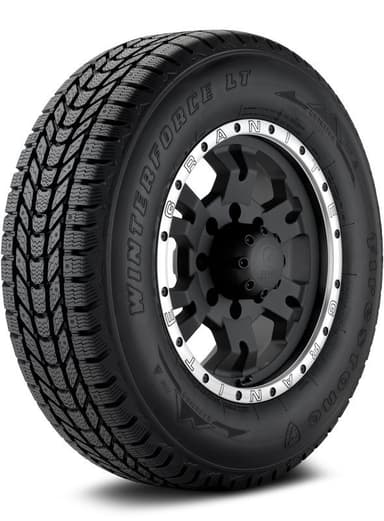
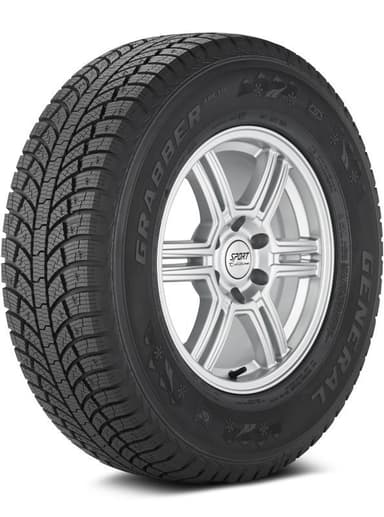
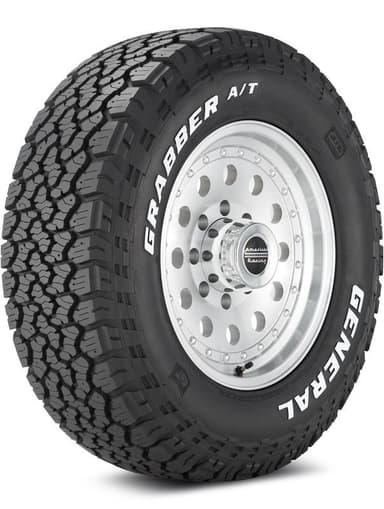
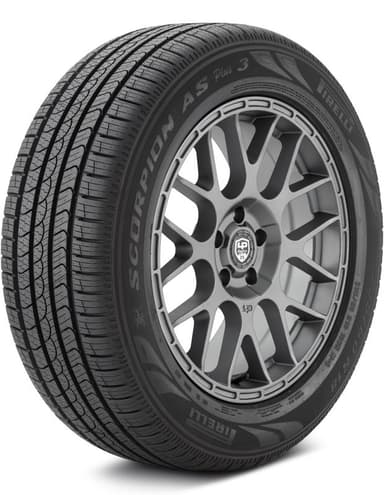
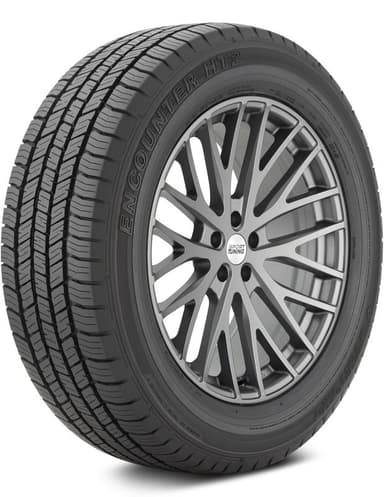
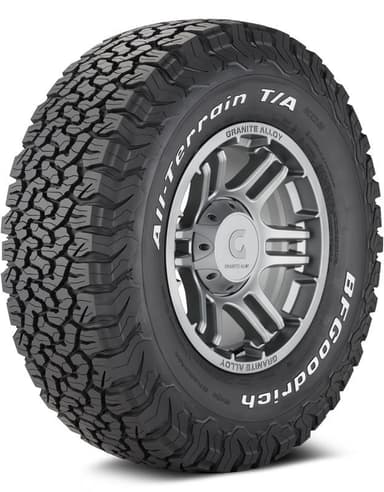
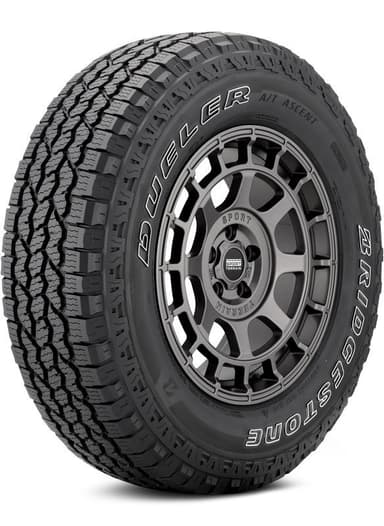
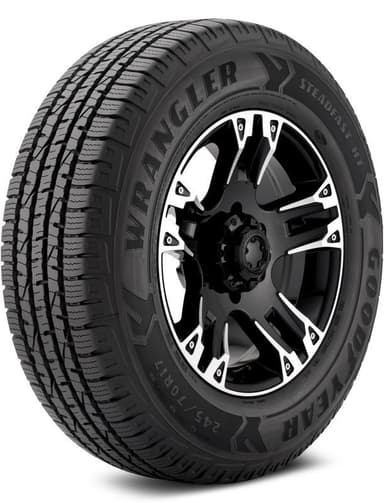
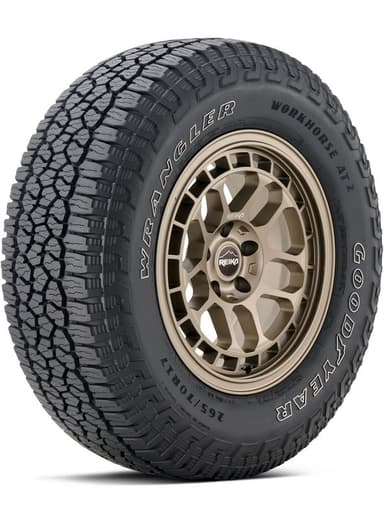
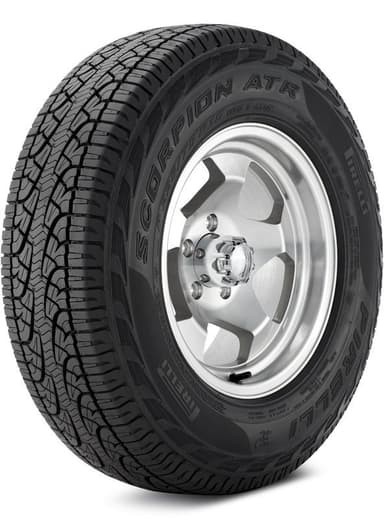
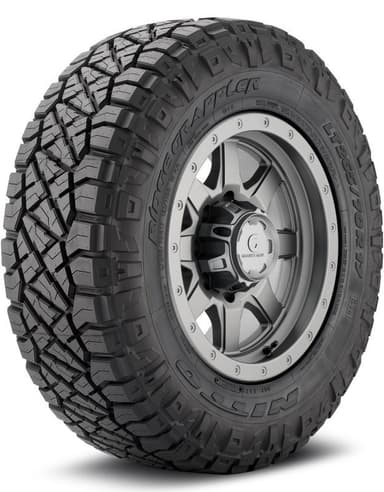
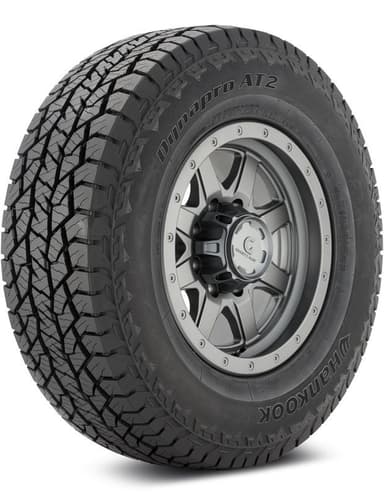
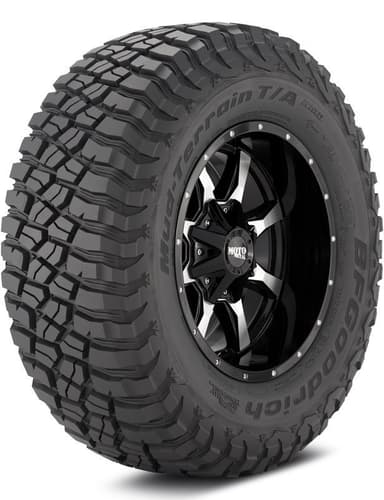
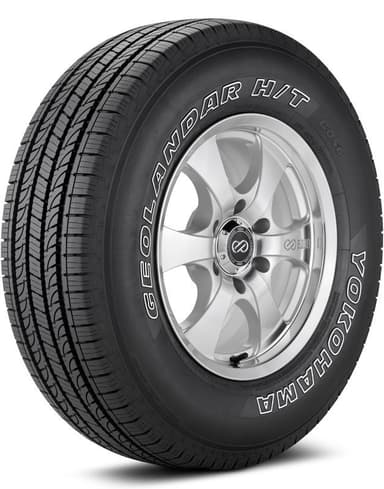
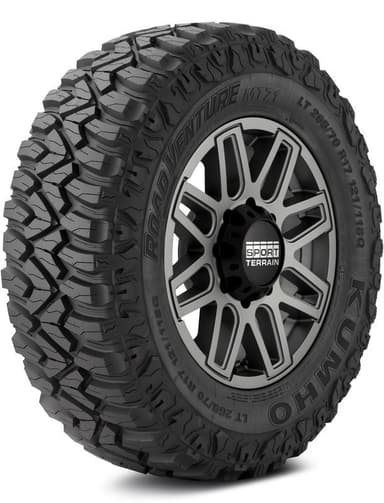
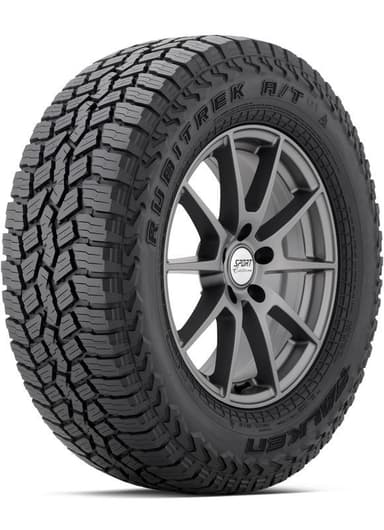
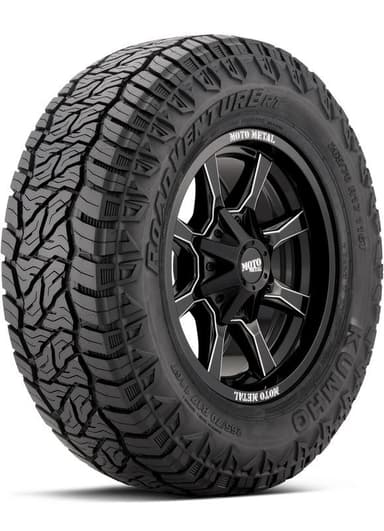
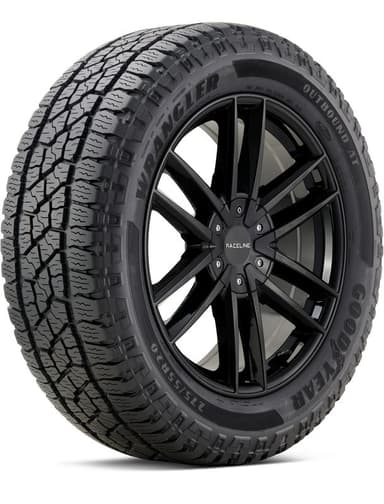
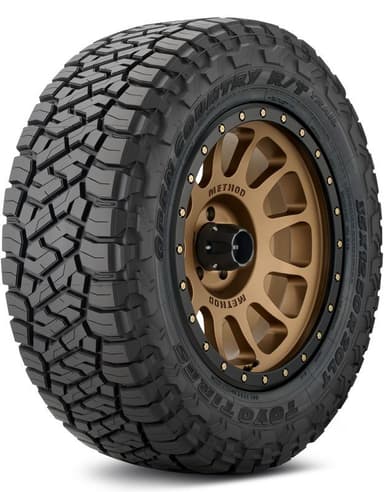
Best Tires for 2025 Chevrolet Silverado 1500
Factory Sizes & Recommendations
⚡ Quick Answer
The 2019-2025 Chevrolet Silverado 1500 uses 265/70R17, 275/60R20, or 275/55R22 depending on trim level. Highway Terrain (H/T) tires provide the best combination of load capacity, fuel economy, and tread life for most Chevrolet Silverado 1500 owners. Always verify that replacement Chevrolet Silverado 1500 tires meet or exceed the original load index ratings, especially XL-rated options for maximum payload capability.
The 2019-2025 Chevrolet Silverado 1500 is a full-size pickup truck engineered for both work and daily driving, serving contractors, families, and recreational users who need substantial towing and hauling capability. With a curb weight ranging from 4,520 to 5,155 pounds, seating for up to six passengers, and available 4WD on select trims, the Silverado 1500 offers impressive versatility with towing capacity up to 13,300 pounds and payload capacity reaching 2,280 pounds. Choosing the right replacement tires for your 2019-2025 Chevrolet Silverado 1500 is essential for maintaining safety, load stability, and long-term performance.
2025 Chevrolet Silverado 1500 Tire Sizes
- 265/70R17 – Standard on Work Truck, Custom, and LT trims. This size offers a taller sidewall for enhanced ride comfort and load-carrying capability, ideal for work applications and mixed driving conditions.
- 275/60R20 – Common on RST, LTZ, and High Country trims. Provides improved handling response and enhanced appearance while maintaining solid load ratings for towing and hauling duties.
- 275/55R22 – Available on High Country and premium trim configurations. Delivers maximum visual impact and refined on-road handling, though with slightly reduced load capacity compared to smaller wheel sizes.
Always confirm your exact tire size on the driver-side door placard before purchasing replacement tires.
What Are the Best Tires for the 2025 Chevrolet Silverado 1500?
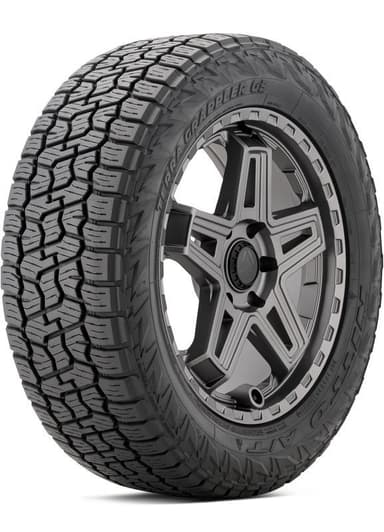
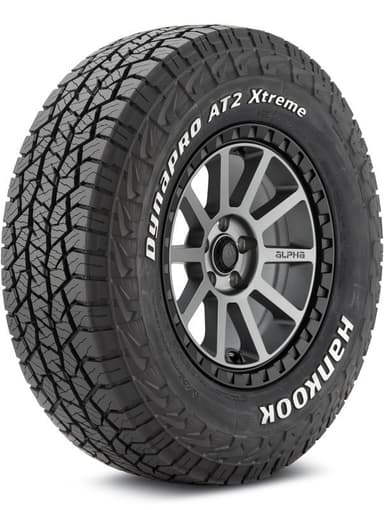
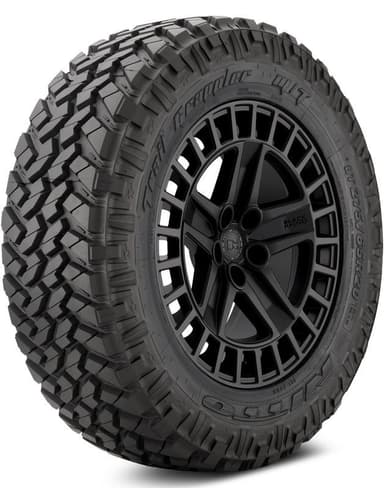
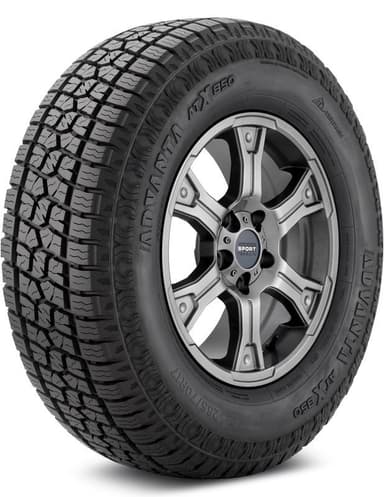
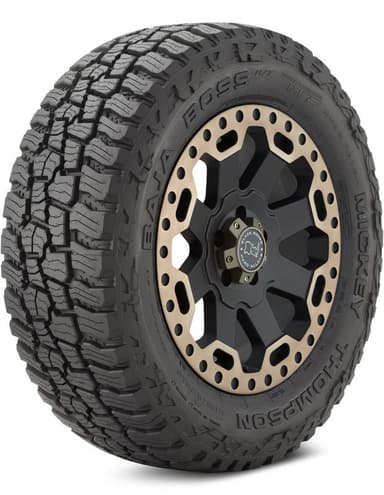
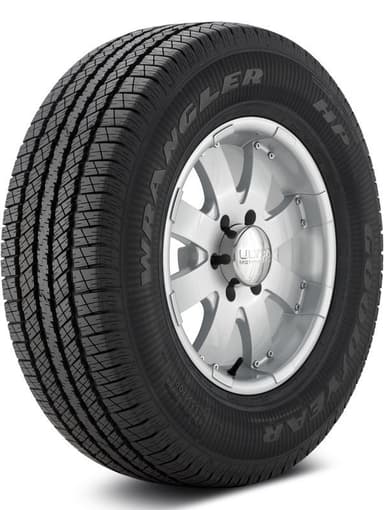
Below we compare the best tires available for the 2019-2025 Chevrolet Silverado 1500 across multiple categories. We evaluate Highway Terrain, All-Terrain, and Touring All-Season options to help you choose the best tires for your driving needs.
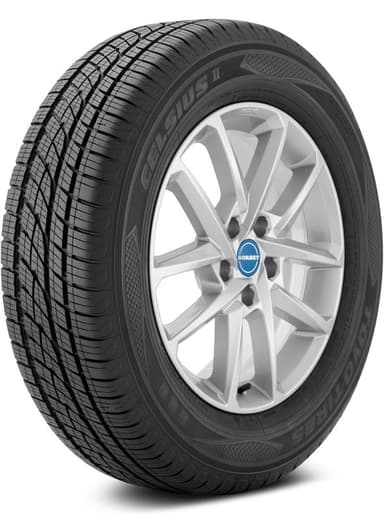
☀️ Best Touring All-Season Tires for Chevrolet Silverado 1500
Touring All-Season tires work well for Silverado 1500 owners who primarily drive on paved roads and want refined comfort with year-round capability. These tires balance load-carrying performance with improved wet weather traction and extended tread warranties.