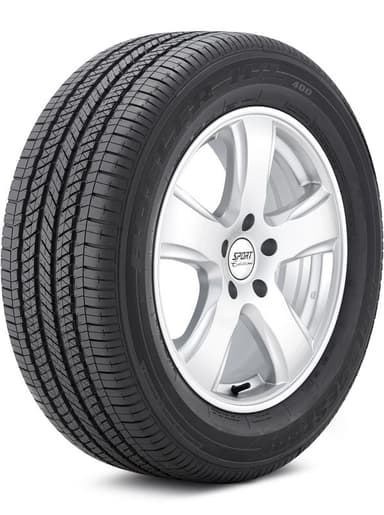
Best Tires for 2025 Mercedes-Benz GLC
Factory Sizes & Recommendations
⚡ Quick Answer
Mercedes-Benz GLC tires come in 235/60R18, 235/55R19, and 255/45R20 sizes depending on trim level. Touring All-Season tires offer the best balance of luxury ride quality, all-weather capability, and longevity for most GLC owners. Always match the load index rating and choose XL-rated tires to handle the SUV's 4,200-pound curb weight safely.
The 2023-2025 Mercedes-Benz GLC is a luxury compact SUV designed for discerning drivers who demand German engineering excellence for both daily commuting and weekend adventures. This five-passenger SUV features a curb weight of approximately 4,200 pounds and offers available 4MATIC all-wheel drive on select trims for enhanced traction and stability. Choosing the right replacement tires for your 2023-2025 Mercedes-Benz GLC is essential for maintaining safety, load stability, and long-term performance.
2025 Mercedes-Benz GLC Tire Sizes
- 235/60R18 – Standard on base and 300 trims. This size provides a taller sidewall for improved ride comfort and better pothole resistance while maintaining excellent load-carrying capacity for family cargo needs.
- 235/55R19 – Common on AMG Line and higher trims. The lower profile design delivers more precise steering response and enhanced cornering stability for spirited driving dynamics.
- 255/45R20 – Found on premium AMG Line trims. This wider, lower-profile configuration maximizes contact patch for superior grip and delivers the sporty aesthetics expected on luxury performance variants.
Always confirm your exact tire size on the driver-side door placard before purchasing replacement tires.
What Are the Best Tires for the 2025 Mercedes-Benz GLC?
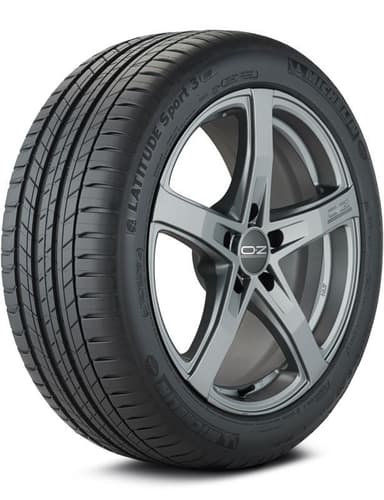
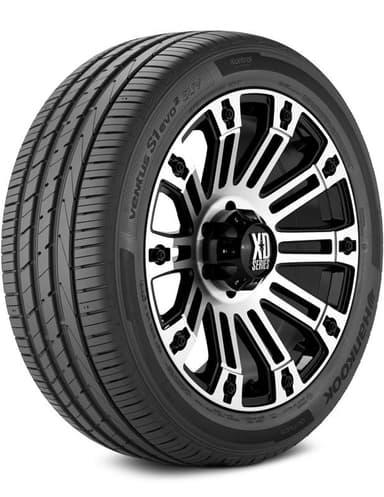
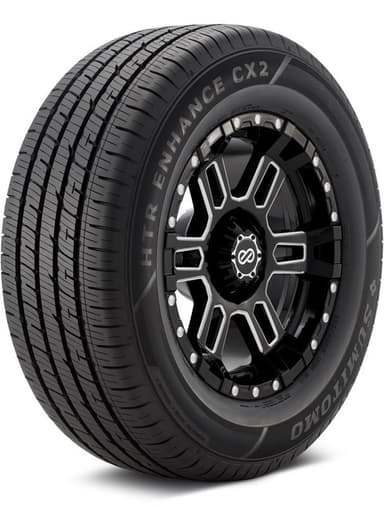
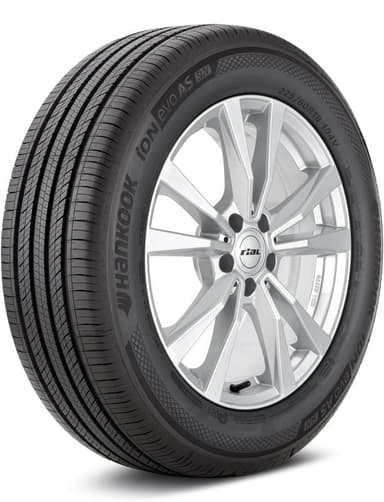
Below we compare the best tires available for the 2023-2025 Mercedes-Benz GLC across multiple categories. We evaluate top-rated Touring All-Season, Ultra-High Performance Summer, and Dedicated Winter options to help you choose the best tires for your driving needs.
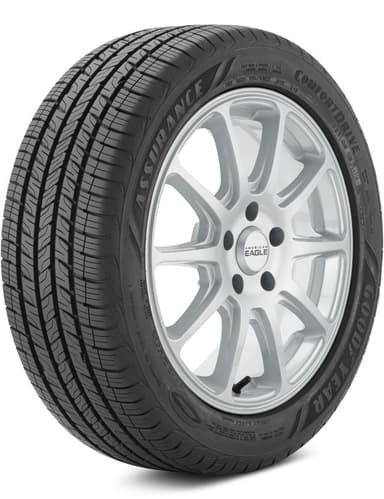
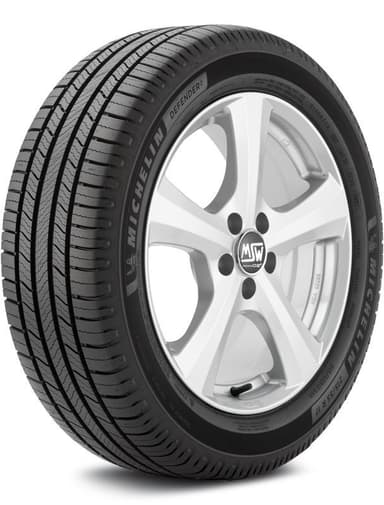
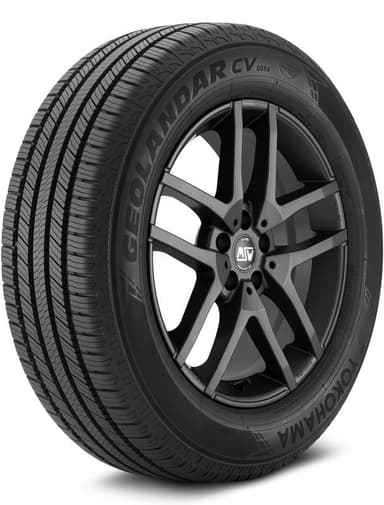
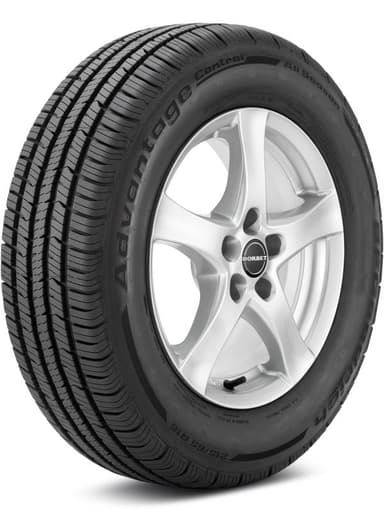
☀️ Best Touring All-Season Tires for Mercedes-Benz GLC
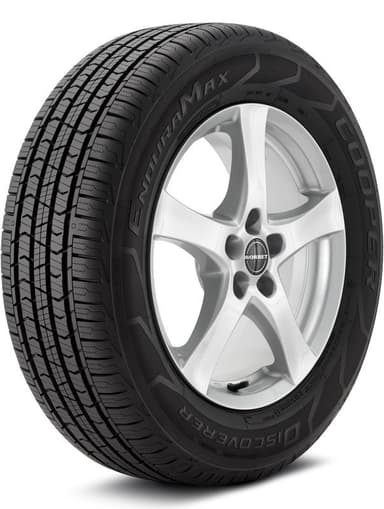
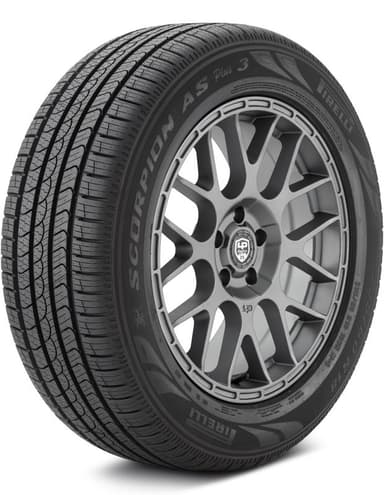
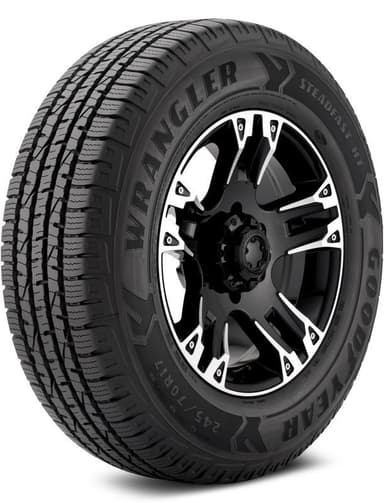
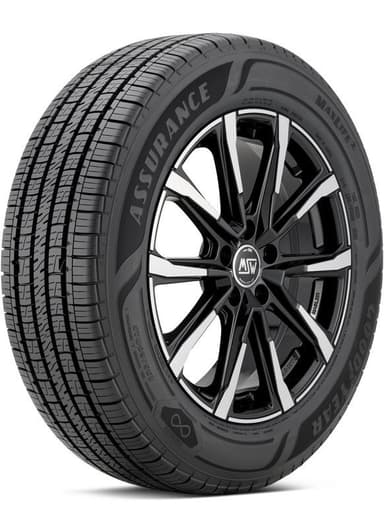
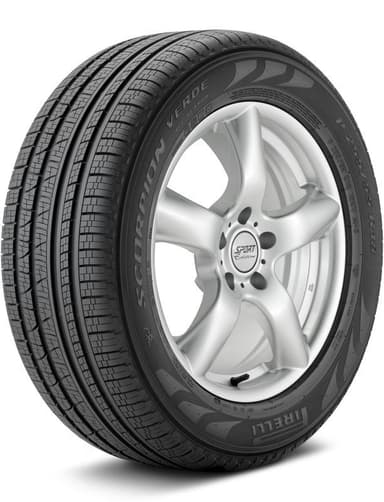
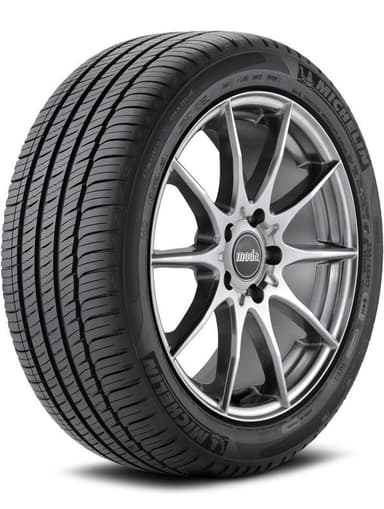
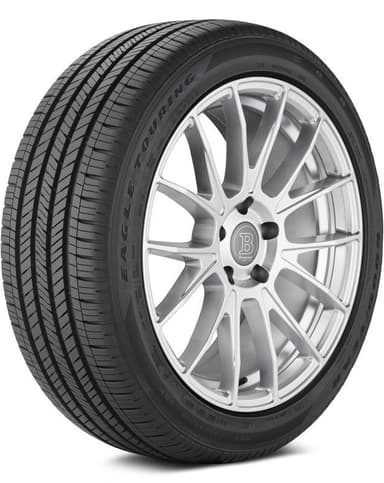
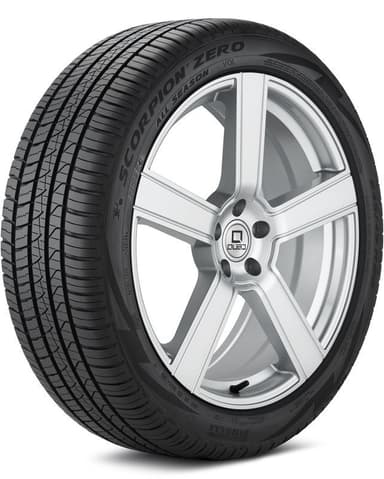
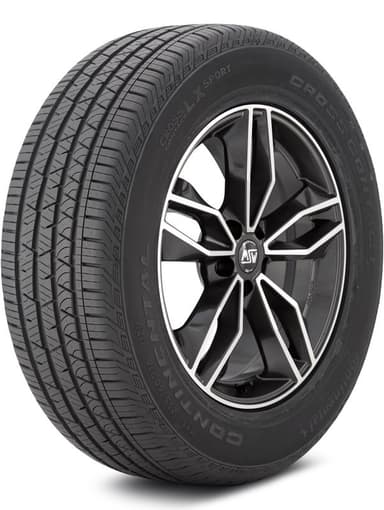
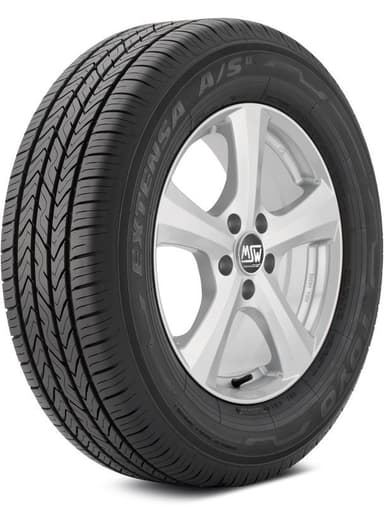
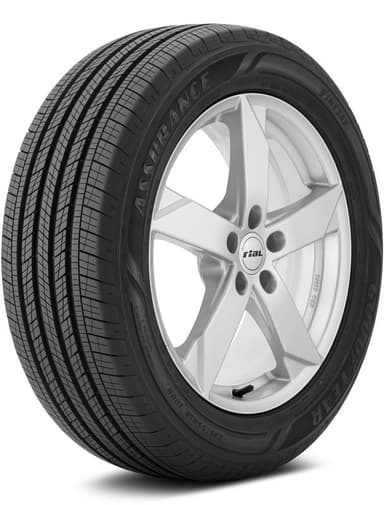
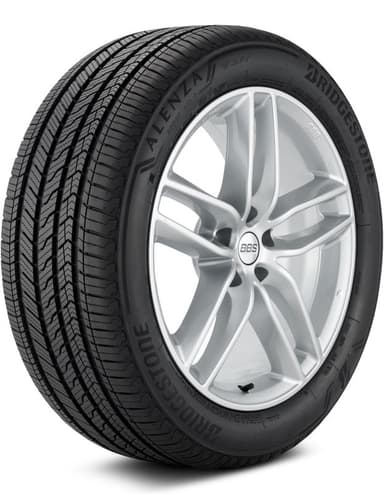
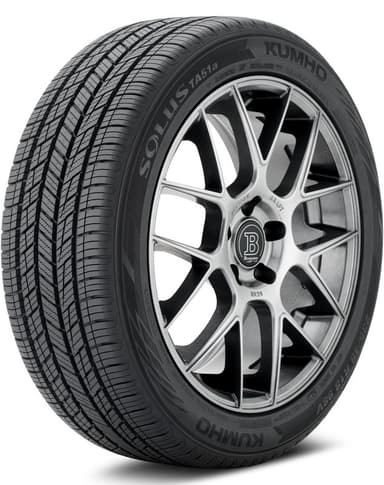
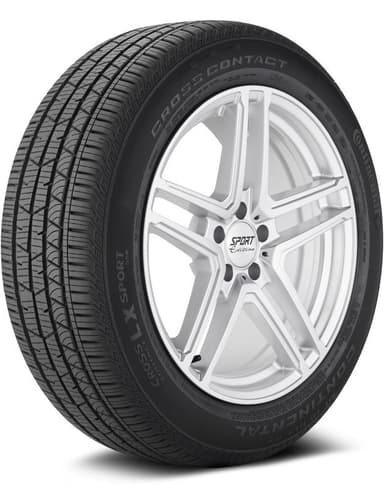
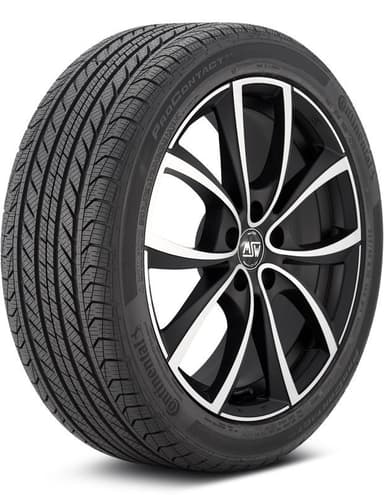
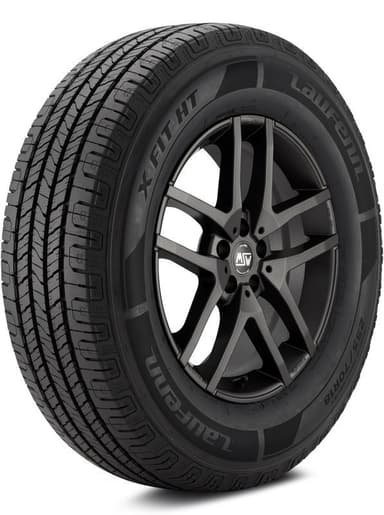
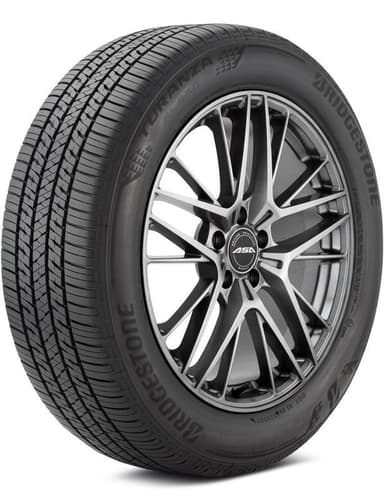
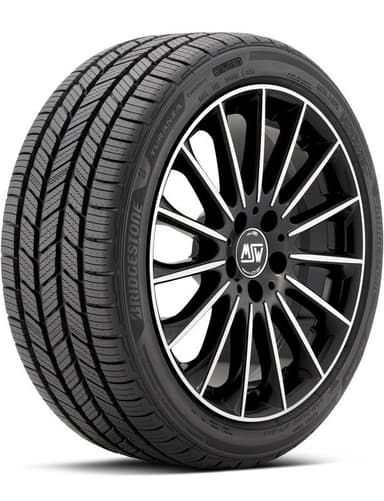
Touring All-Season tires excel on the Mercedes-Benz GLC by delivering the refined ride quality and low road noise that luxury SUV owners expect. These tires provide excellent wet traction and extended tread life, making them ideal for year-round daily driving and family transportation needs.
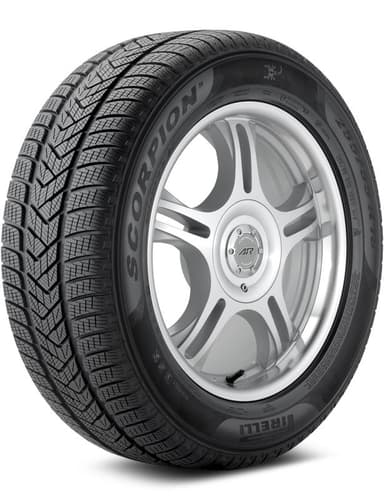
❄️ Best Winter Tires for Mercedes-Benz GLC
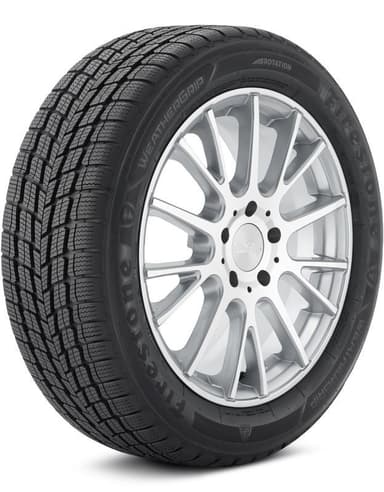
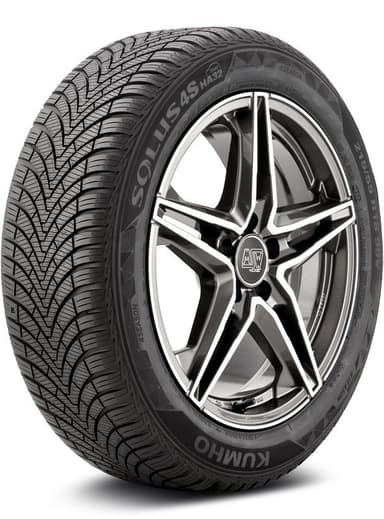
Dedicated Winter tires with 3PMSF certification provide essential cold-weather traction for GLC owners in snow-prone regions. The specialized rubber compounds and aggressive tread patterns maintain flexibility and grip in temperatures below 45°F, ensuring confident winter driving performance.
🌡️ Best Performance Summer Tires for Mercedes-Benz GLC
Ultra-High Performance Summer tires maximize the GLC's dynamic capabilities with superior dry grip and precise steering response. These tires complement the available 4MATIC system and sport-tuned suspension to deliver the engaging driving experience that defines the Mercedes-AMG heritage.